Praviar: from patent drawings to reviewable evidence
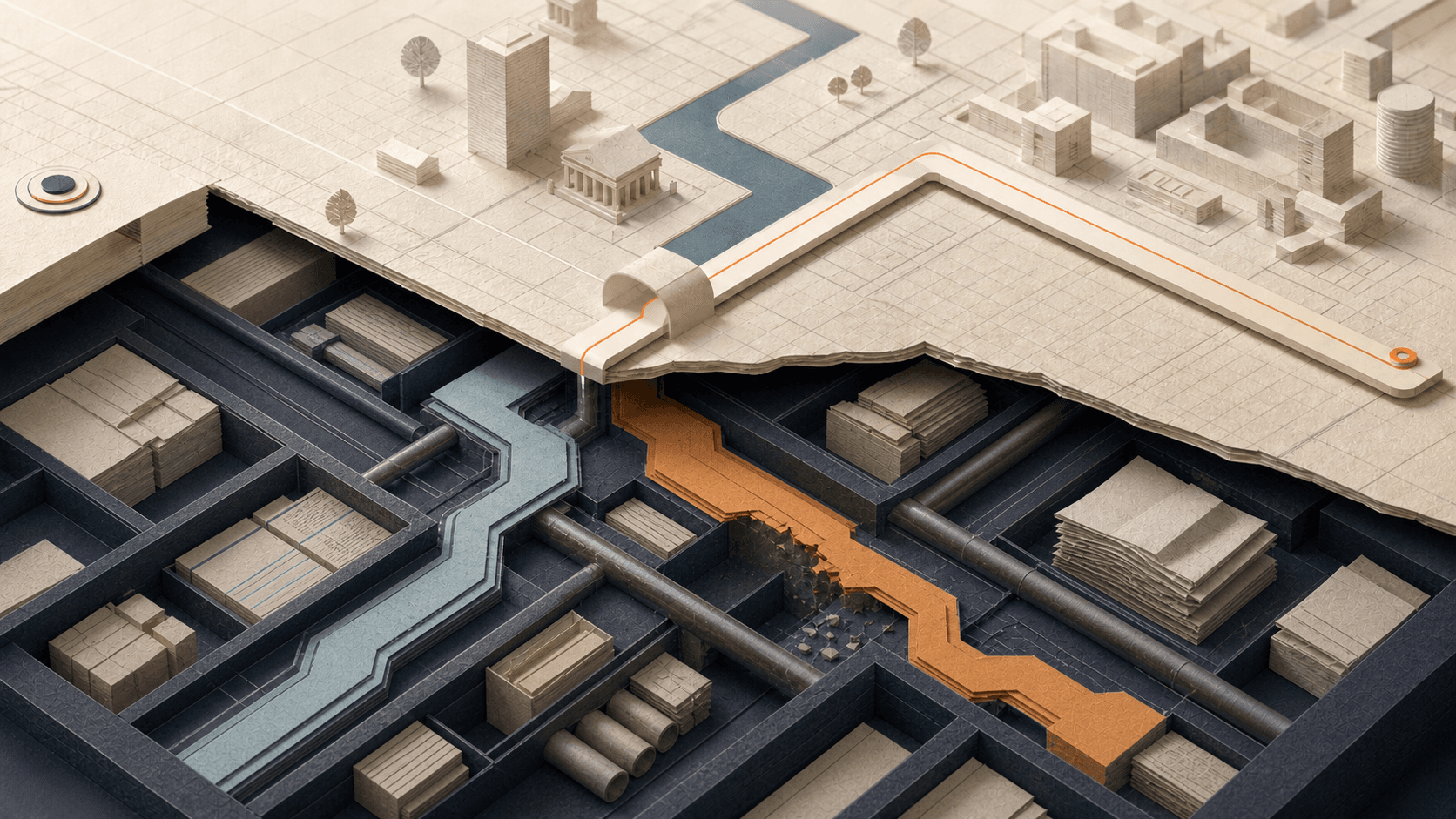
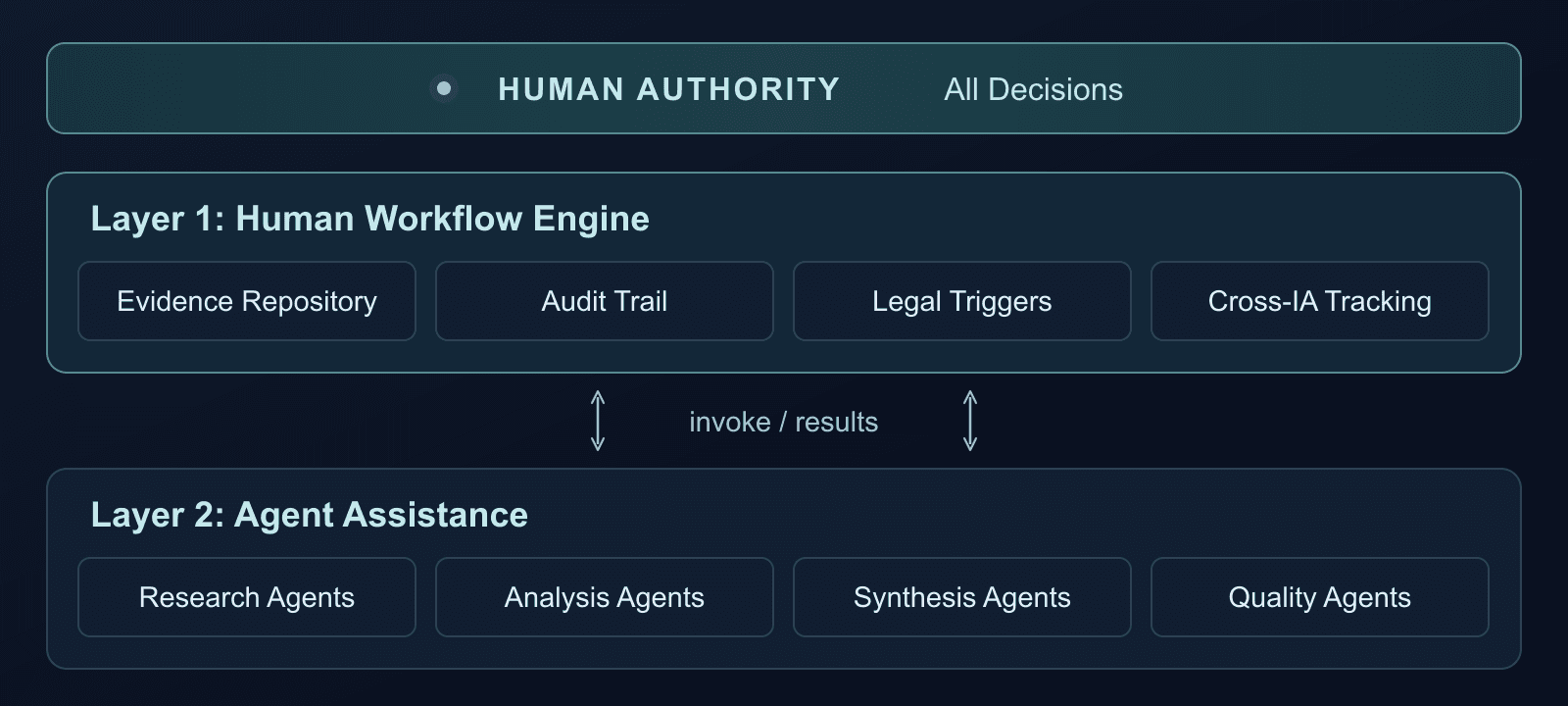
How I built a chemical patent research system around drawing recognition, source evidence, recoverable analysis and reviewer decisions tied to a report version.
I write about what I build, what the evidence shows and where the difficult parts remain.
Public preprint
Eleven core deep-research architectures, 90 queries and a three-judge reliability audit. The main comparison holds GPT-4o and the tool layer fixed. Two local 7B systems are compared separately.
How I built a chemical patent research system around drawing recognition, source evidence, recoverable analysis and reviewer decisions tied to a report version.

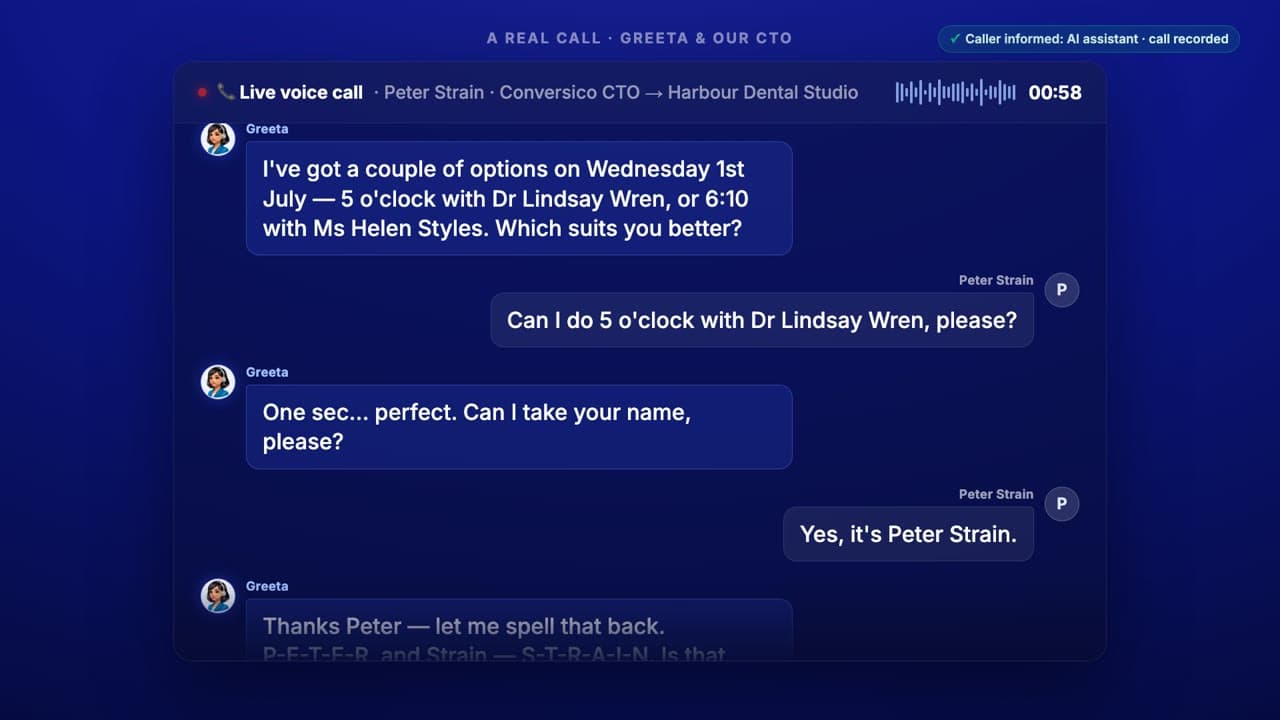
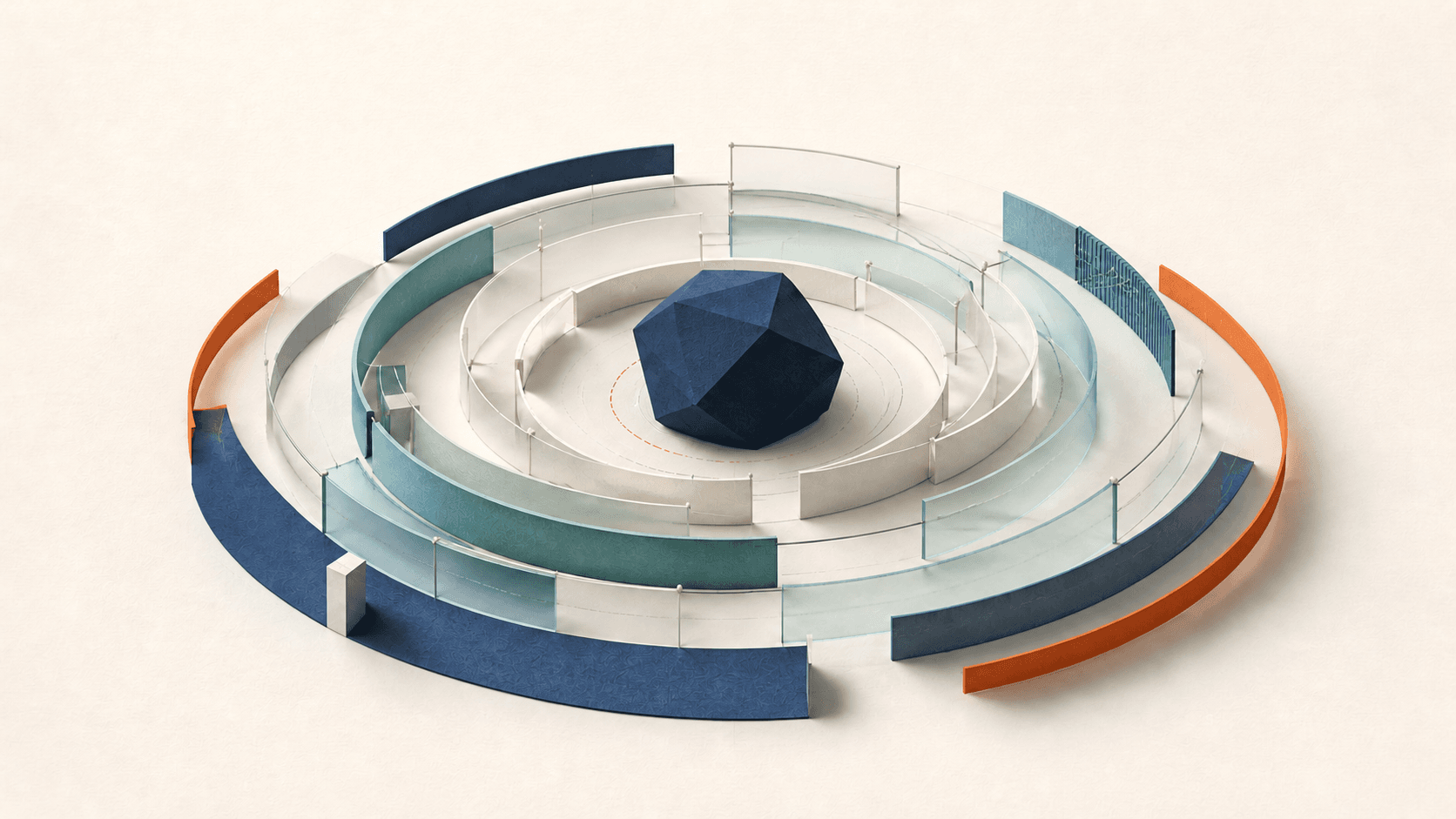
Designing an AI reception platform around authorised actions, recoverable bookings and the work reception still needs to finish.

How I built Aurum, the 25-agent synthetic-data system used to test and improve SThree's live recruitment platform.

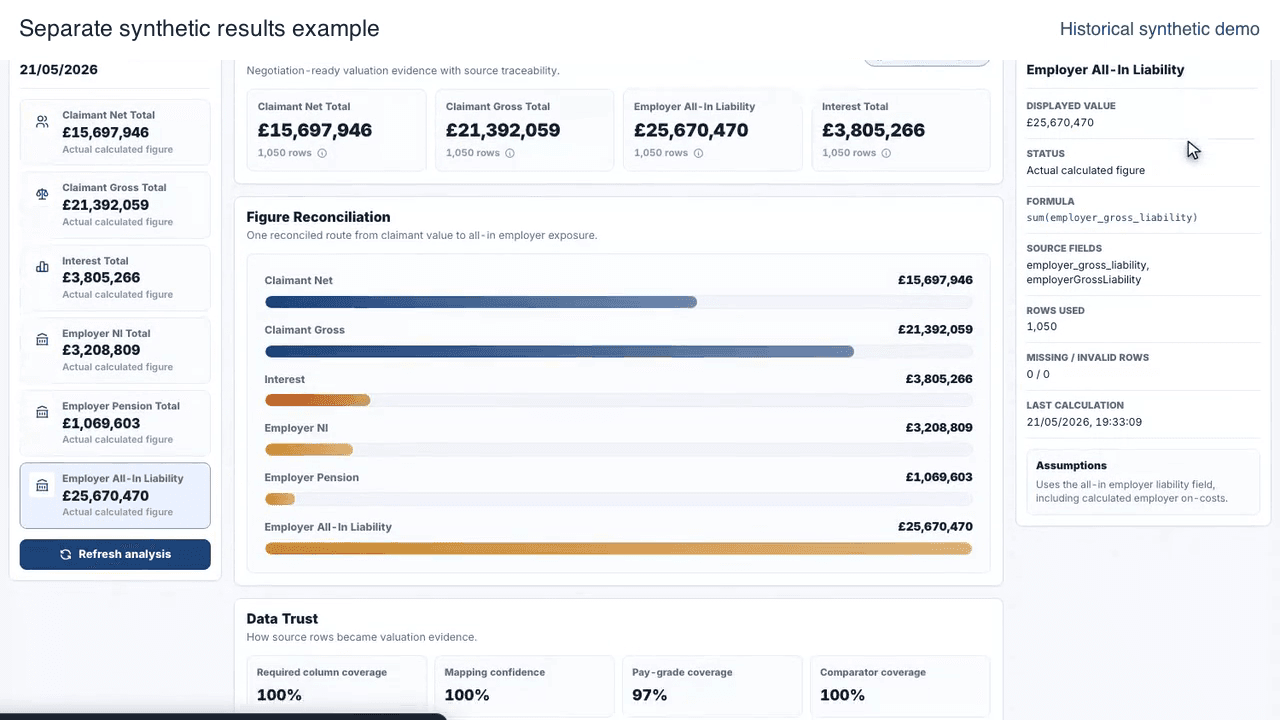
Building a valuation workspace for equal-pay settlement negotiations, from diagnosing messy spreadsheets to exploring and reviewing settlement scenarios.

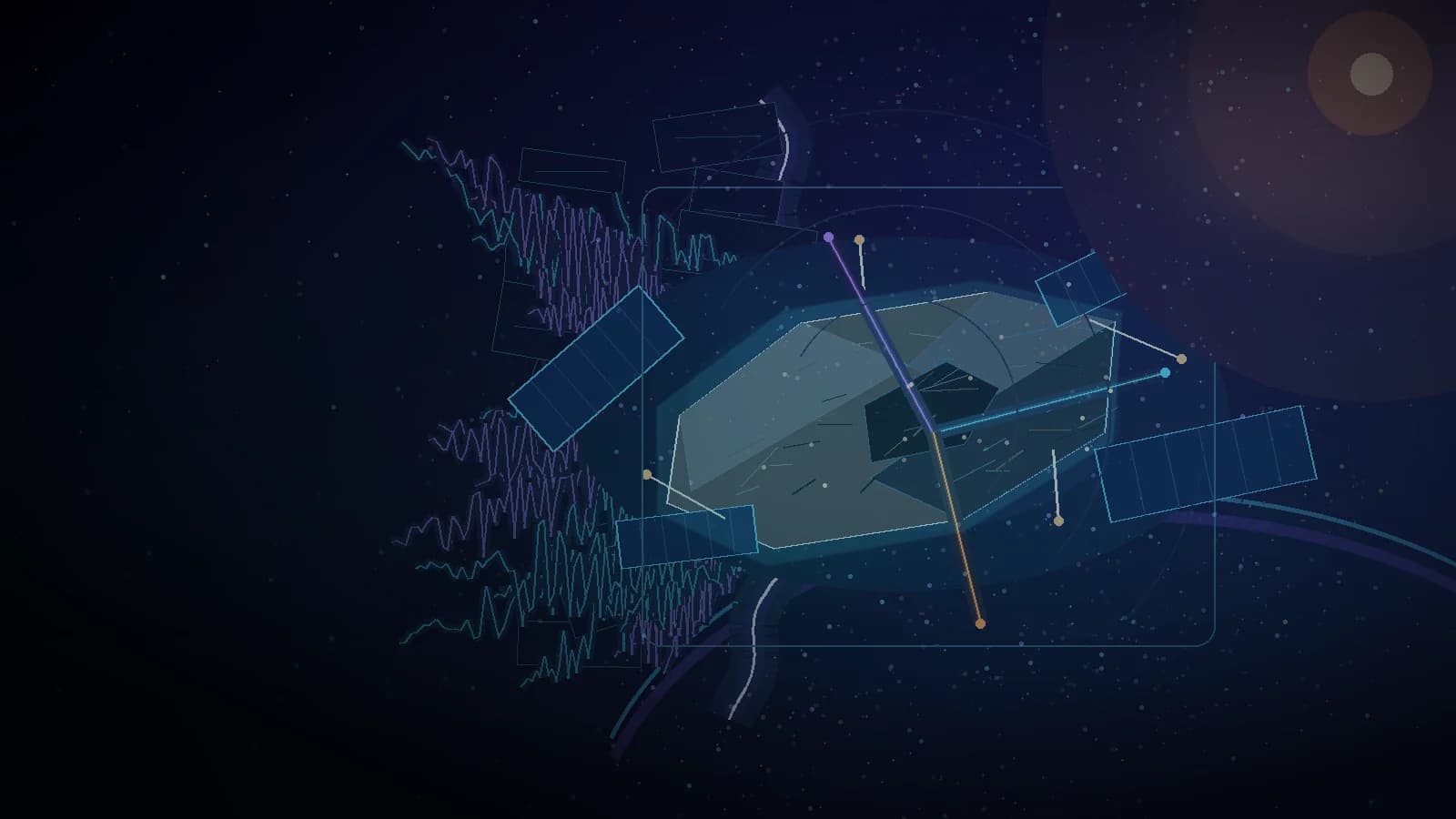
How I used synthetic data and AstroGAN while building pose estimation for ELSA-M, and why closing a measured domain gap was only part of the problem.

How I replaced a per-skill language-model validator with retrieval, fixed filters, calibration and a 7 kB classifier head, cutting operating cost by about 180 times while reaching about 96% measured precision.
The drawing-recognition experiments behind Praviar: finding chemical regions, comparing model predictions, measuring unresolved cases and keeping benchmark results in context.

How I built an interactive portfolio: the architecture, evidence-led assistant, cosmic rendering and decisions behind the experience.

Architecture, verification and accountability when software is written with AI agents.

What I learned from comparing research workflows, their costs and the AI judges used to assess them in Bounded Returns to Orchestration.

How I restored and animated old family photographs for my gran's 85th birthday without letting the technology overwhelm the people in them.

The original project report, which formed part of my submission for CivTech Challenge 11.5, published here with its original wording.